
In recent years, the world of finance has been steadily transformed by blockchain technology. One of the most exciting developments emerging from this space is the concept of tokenized real-world assets (RWAs). This innovative approach allows physical assets to be represented and traded digitally on a blockchain. Let’s dive into what tokenized RWAs are, how they work, and why they are reshaping traditional markets.
What Are Tokenized Real-World Assets?
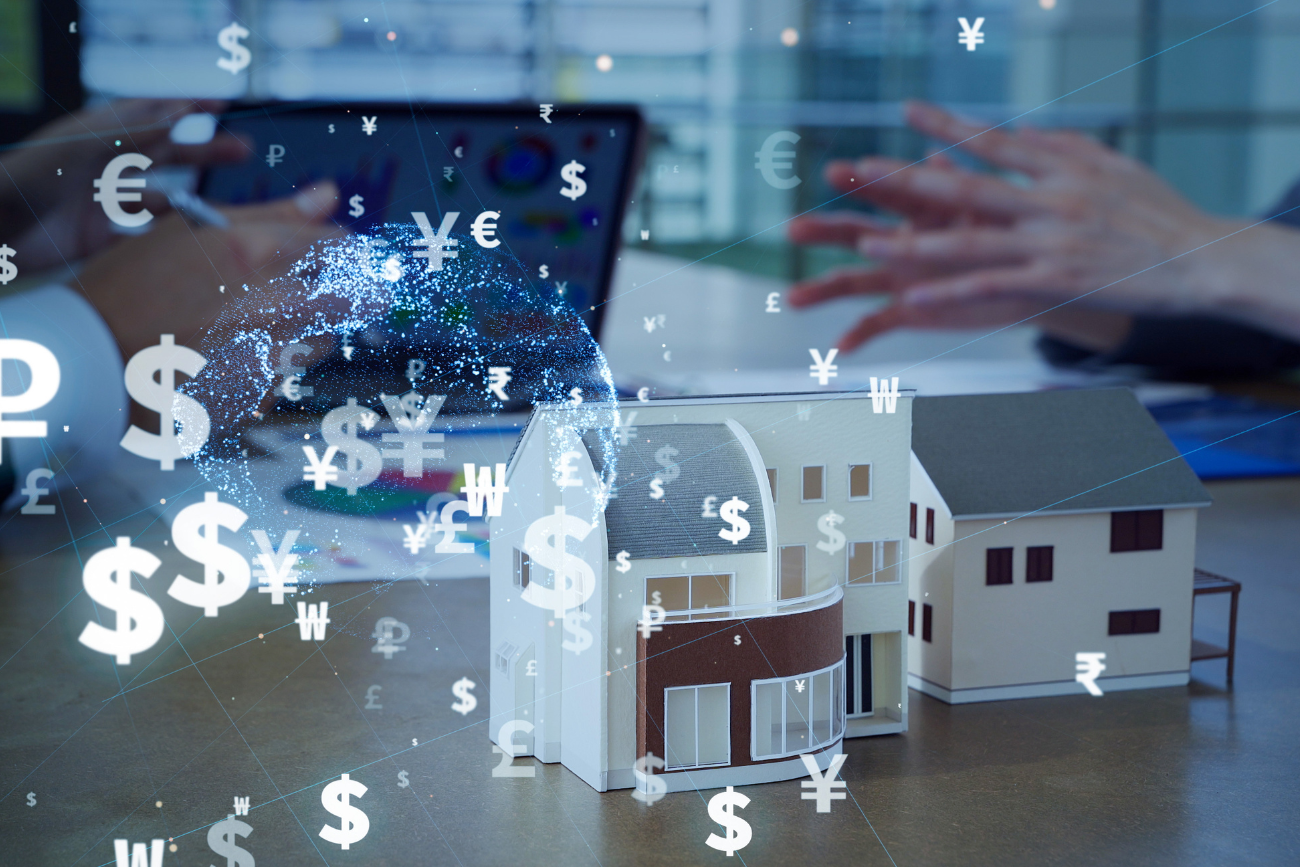
Tokenization refers to converting ownership rights to an asset into a digital token on a blockchain. Real-world assets (RWAs) can include anything of value, such as real estate, precious metals, fine art, or even commodities. When these assets are tokenized, they are broken down into digital shares, each represented by a token, that can be bought, sold, or traded like any other cryptocurrency or digital asset.
For example, imagine owning a piece of property, such as a building. Instead of needing to transfer the entire property title or managing complex paperwork when selling it, tokenization allows you to divide the building into smaller portions, each represented by a digital token. Investors can purchase these tokens and gain fractional ownership of the property.
How Tokenized RWAs Work
At the core of tokenized RWAs is the blockchain, a decentralized ledger technology that records transactions in a transparent and immutable manner. Here’s how the process generally works:
- Identification of the Asset: The first step involves selecting a real-world asset that is suitable for tokenization. This asset could be physical (like real estate or gold) or intangible (like intellectual property or art).
- Token Creation: A digital token is created on a blockchain platform that represents ownership or a stake in the underlying asset. Popular blockchain platforms like Ethereum or Binance Smart Chain (BSC) are often used due to their smart contract capabilities.
- Smart Contracts: Smart contracts are essential to this process. They define the rules governing how the token can be bought, sold, or transferred. For example, they might stipulate the percentage ownership represented by each token or set conditions for transferring ownership.
- Token Distribution: Once the tokens are created, they are distributed to investors or buyers. These tokens can then be traded on various digital exchanges like T7X, making it easier for investors to buy or sell their stakes in the asset.
- Ownership and Transfers: Token holders own a piece of the underlying asset and can trade their tokens on a blockchain. Ownership is recorded on the blockchain, ensuring security and transparency, with every transaction permanently recorded on the decentralized ledger.
- Liquidity and Access: One of the primary benefits of tokenization is that it brings liquidity to assets that would traditionally be illiquid. Assets like real estate or fine art typically require substantial capital to buy or sell in full. Tokenization breaks this barrier, allowing investors to buy fractional shares of high-value assets. This means more people can access these types of investments without needing millions of dollars upfront.
Why Tokenization Is Changing Traditional Markets
The appeal of tokenized RWAs lies in their efficiency and accessibility. Traditionally, the sale or transfer of ownership for assets like real estate or fine art requires extensive paperwork, legal services, and financial intermediaries. This process is often slow and costly. Tokenization streamlines this by utilizing blockchain technology, which automates transactions, reducing the need for middlemen.
Another significant advantage is the increased market liquidity. By breaking down expensive assets into smaller, more affordable pieces, more investors can participate, creating a more vibrant marketplace. Furthermore, tokenized assets can be traded 24/7 on global digital exchanges, offering an unprecedented level of liquidity and flexibility.
Real-World Use Cases of Tokenized RWAs
Tokenization has already begun to disrupt various industries. Some examples include:
– Real Estate: Real estate is perhaps the most prominent use case of tokenized RWAs. Properties can be tokenized, and fractional ownership allows for smaller investors to gain exposure to real estate markets without having to buy entire properties.
– Commodities: Commodities like gold, silver, and oil are also being tokenized. For example, investors can purchase tokens representing ownership of gold stored in secure vaults, making it easier to buy and sell precious metals without the logistics of physical storage.
– Art: Tokenization of fine art has also taken off. By tokenizing valuable artwork, owners can raise capital while still retaining a portion of ownership, and investors can hold fractional shares in iconic pieces.
Conclusion
Tokenized real-world assets represent the future of ownership and investment. By leveraging blockchain technology, they offer greater transparency, liquidity, and accessibility than traditional asset management systems. As more industries begin to explore the potential of tokenization, it’s clear that this concept will continue to revolutionize how we perceive and interact with valuable assets in the years to come.
All information contained in T7X blog posts are for educational purposes only. The information provided does not constitute investment advice or a solicitation of investment funds. Please consult your financial advisor and tax consultants before investing in any digital currencies. Cryptocurrencies involve a high degree of risk and volatility, often involving a risk of total loss.